
ONE PROJECT.
A CONNECTED
DELIVERY SYSTEM.
This case study records Ahmed Attia’s contribution through the organization named on this page. It is included as selected team experience and is not represented as a BIMBATS project commission.
Context
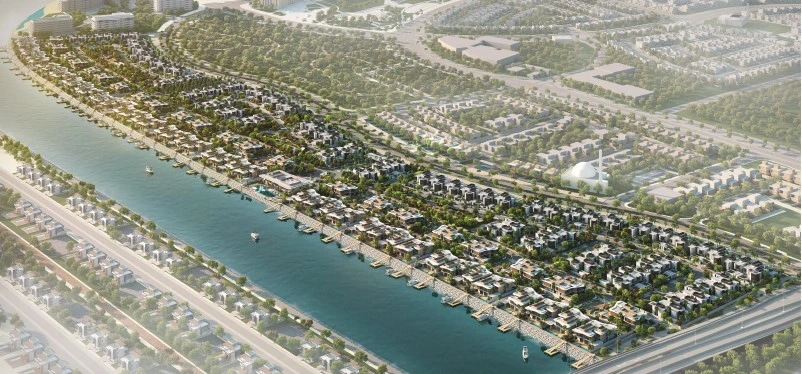
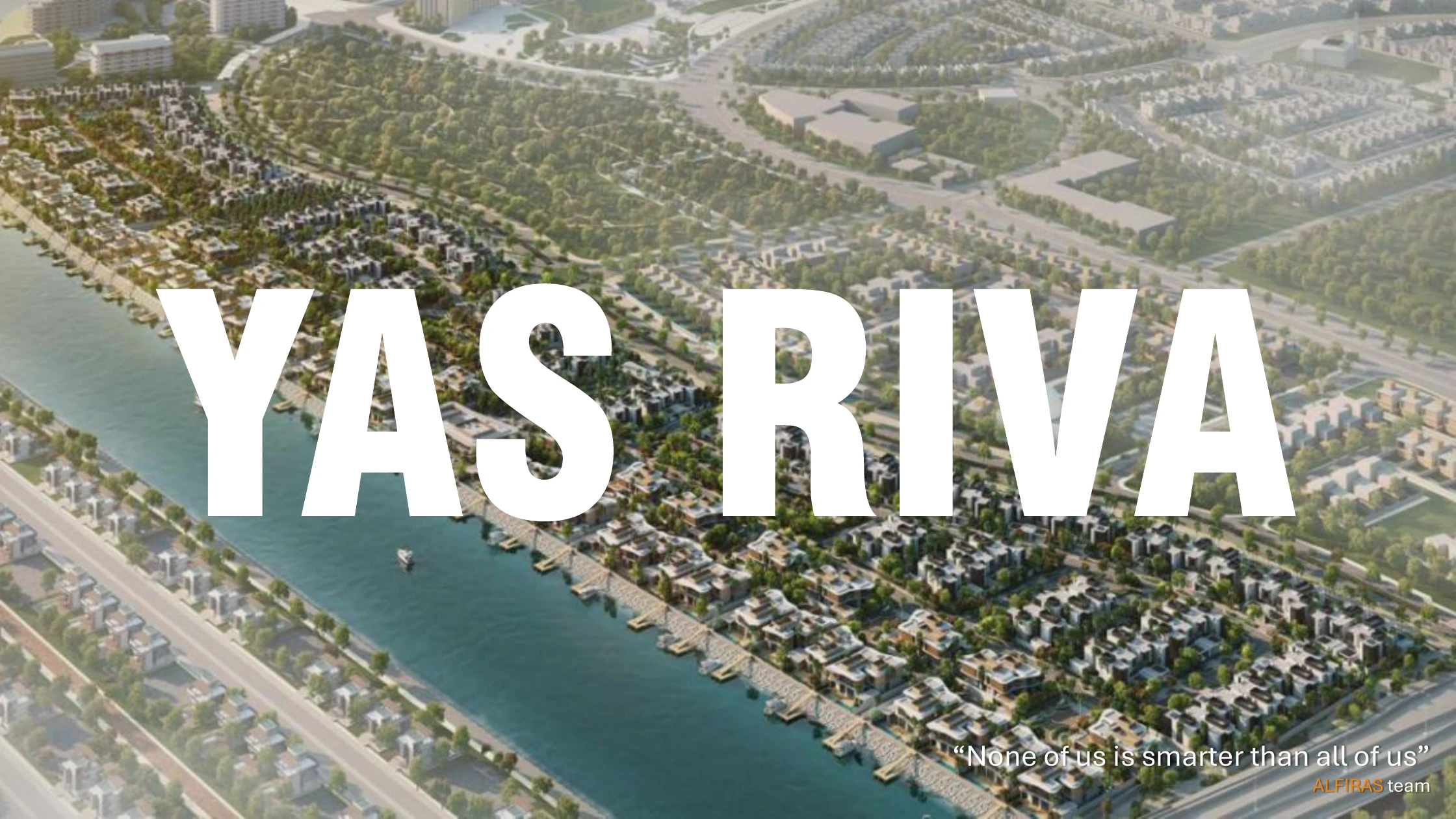
Yas Riva North Marina Villas is a 151-villa development on Yas Island, Abu Dhabi. Aldar is the client, AtkinsRéalis the consultant and Al Firas General Contracting the contractor. My role was to manage the BIM delivery flow behind a contractor scope of 500+ BIM models and 1,960+ drawing deliverables, and keep that system working week after week.
My contribution
I worked on the project as a connected sequence, from receiving the information to tracking weekly delivery.
01 · IFC intake and review
Reviewed the received drawings and models, compared package content and checked the starting point before production began.
02 · EIR understanding
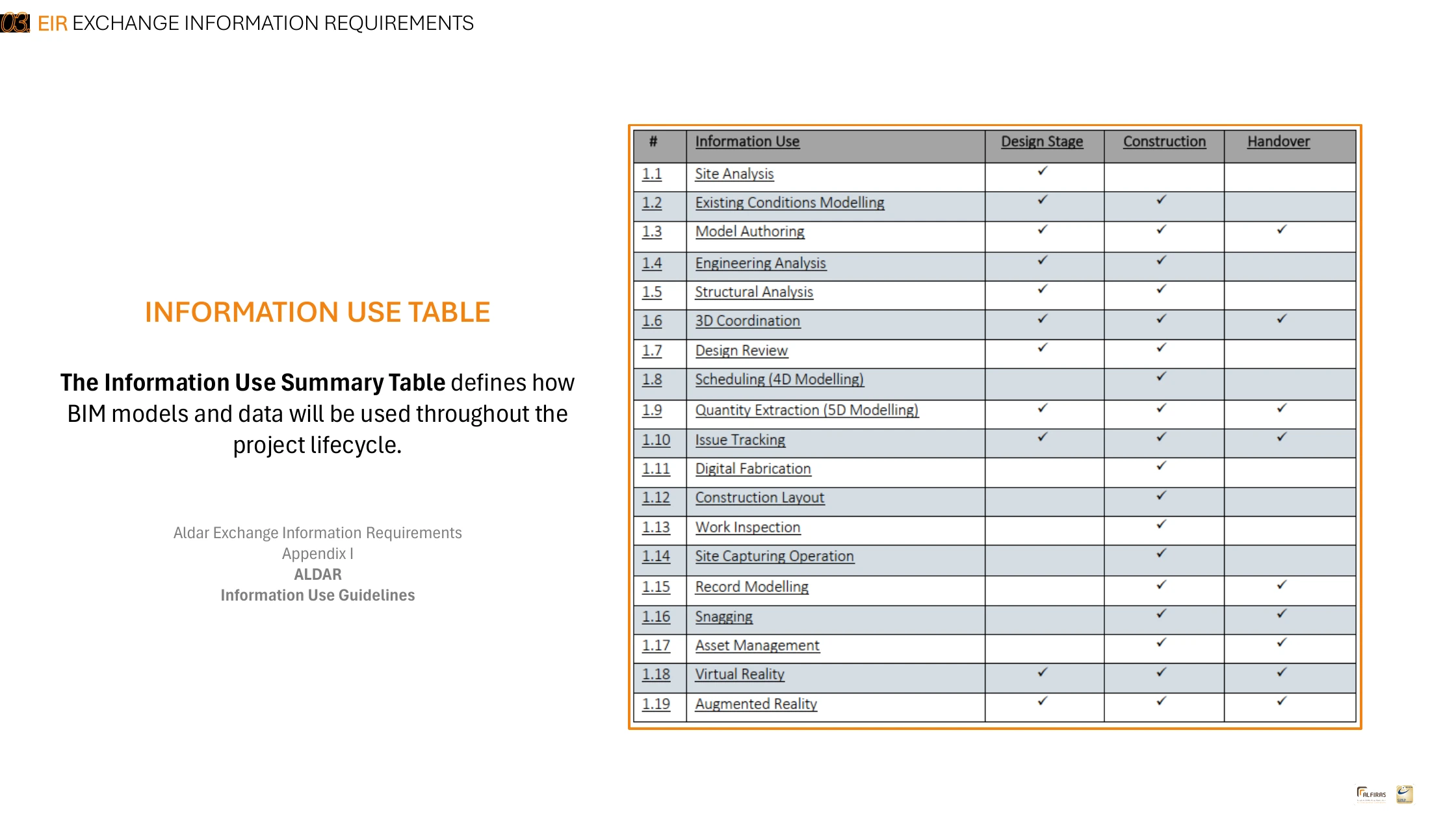
Used the EIR to define what the project had to deliver, how the information should be structured and what the BIM workflow should support.
03 · Mobilization and BIM Kick-Off
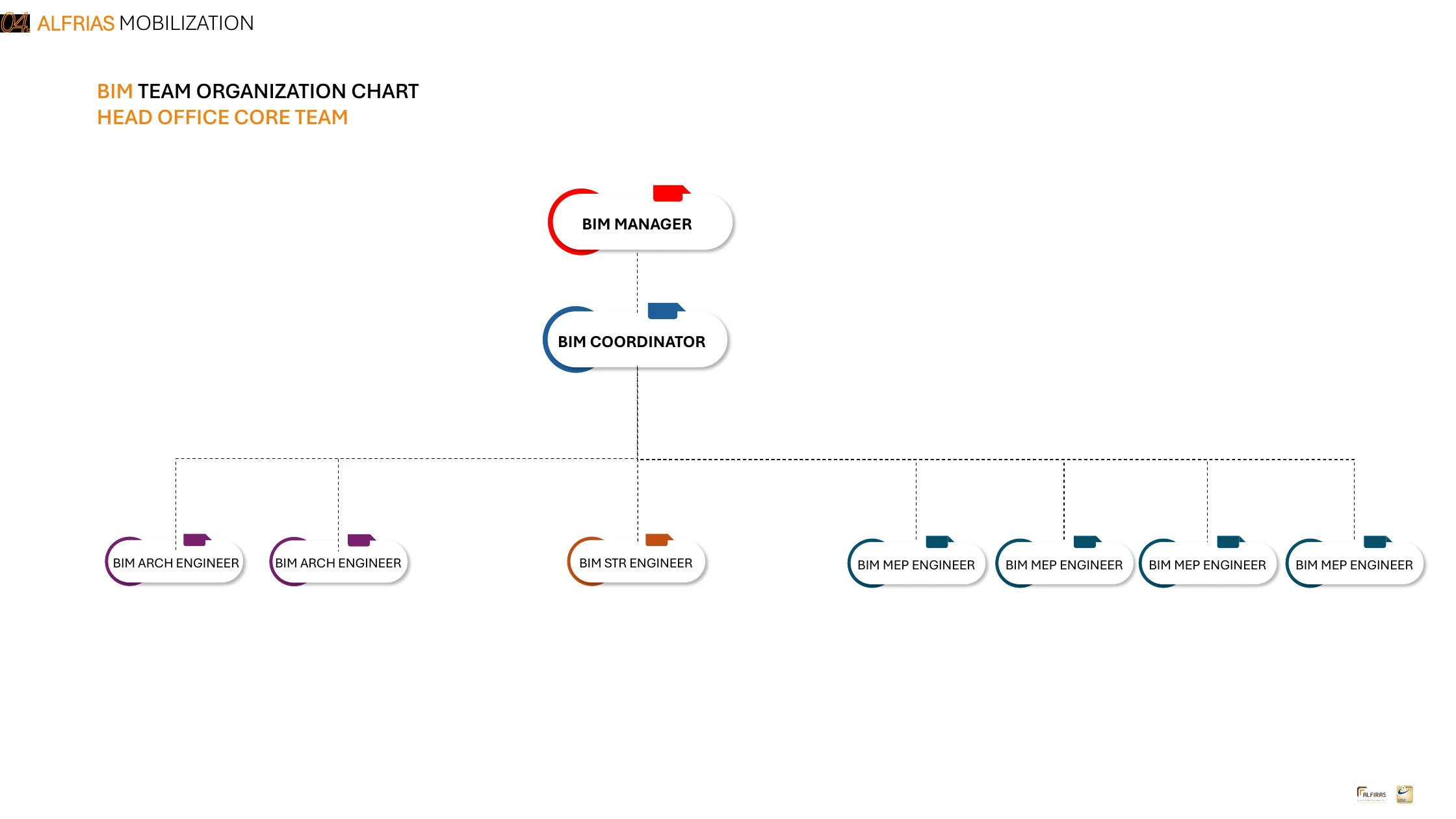
Prepared the kick-off presentation and aligned the team around scope, responsibilities, QA/QC, coordination and delivery expectations.
04 · BEP development
Built the execution roadmap, information exchange logic and the route from construction BIM toward handover BIM.
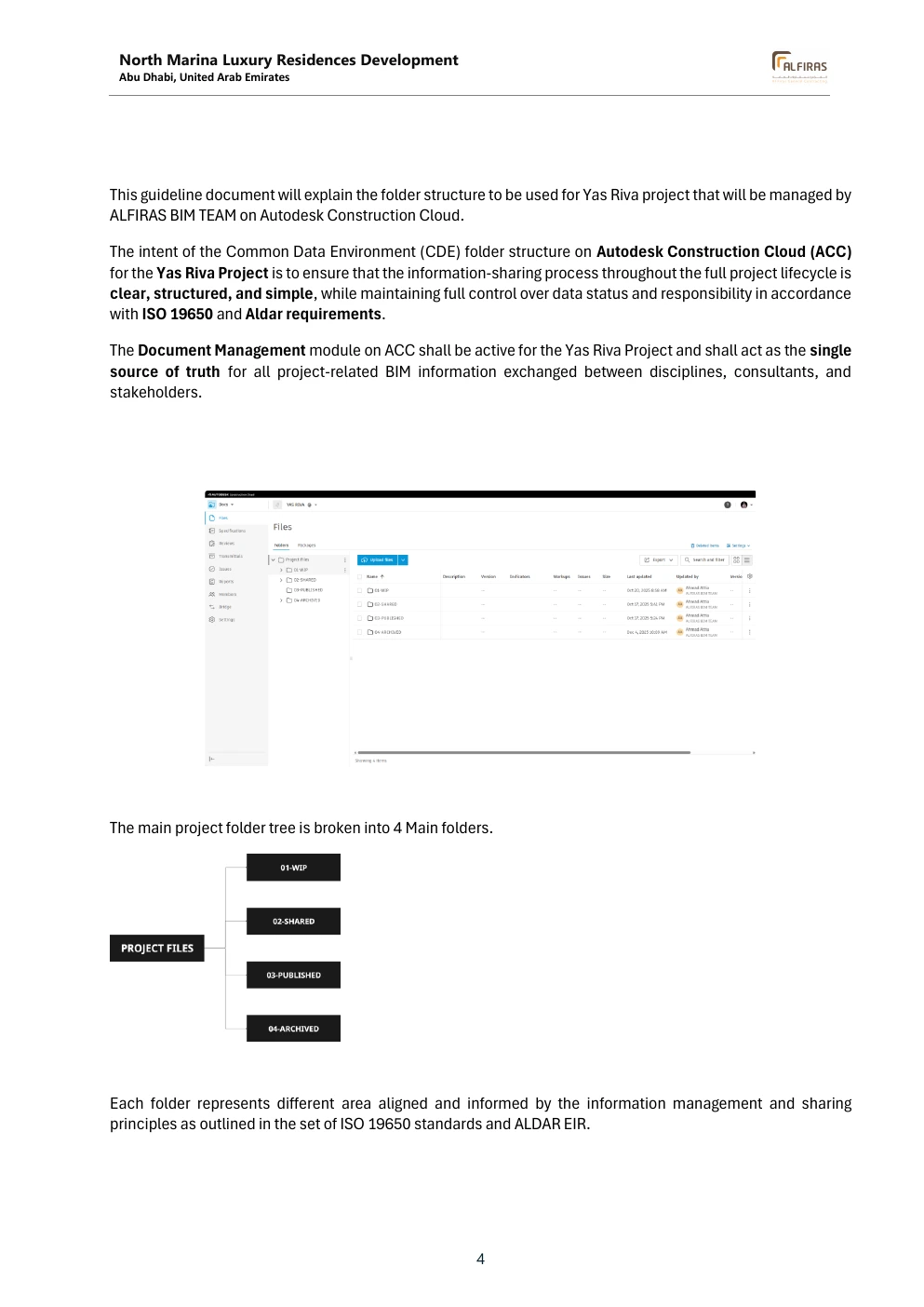
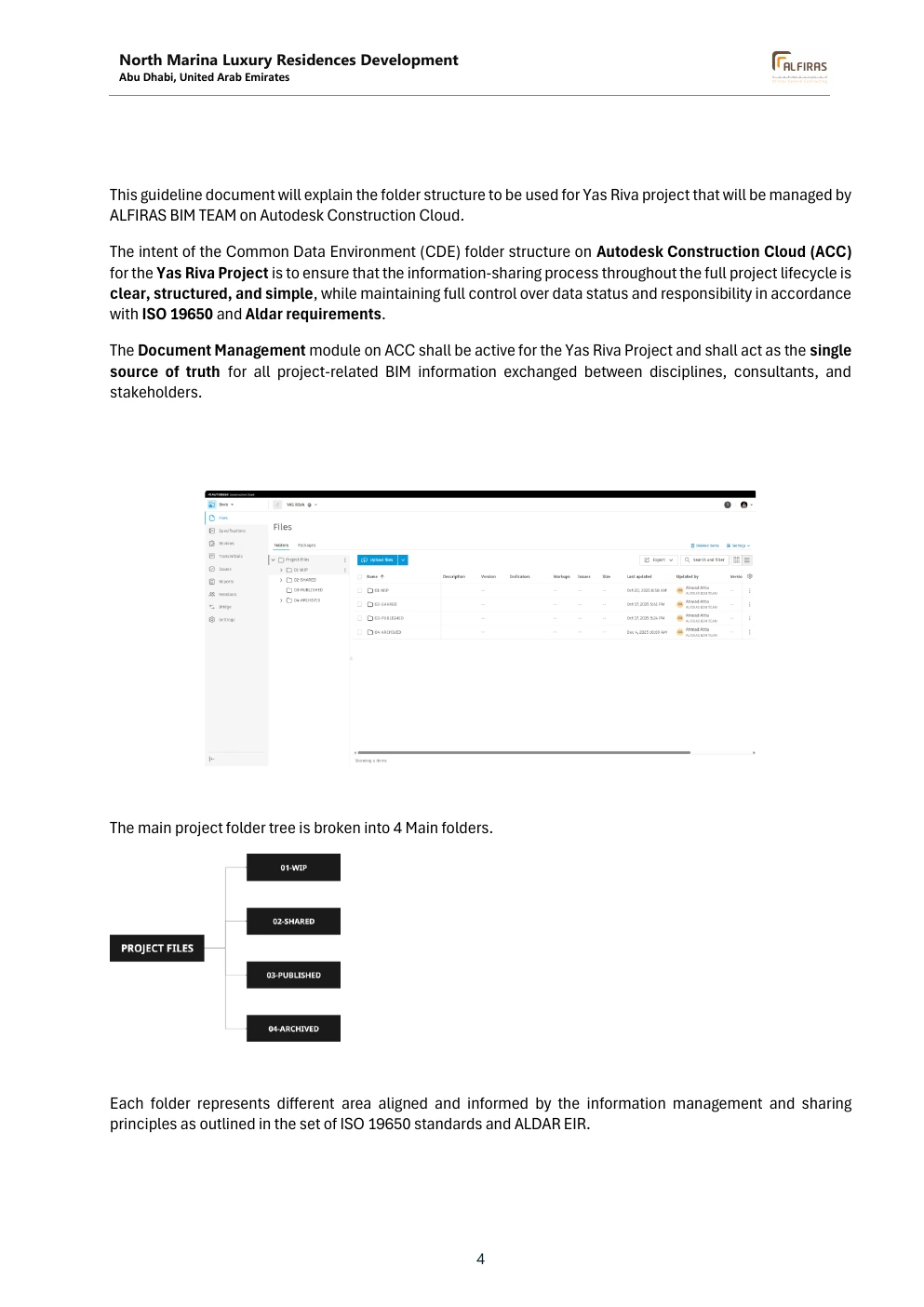
05 · ACC / CDE setup
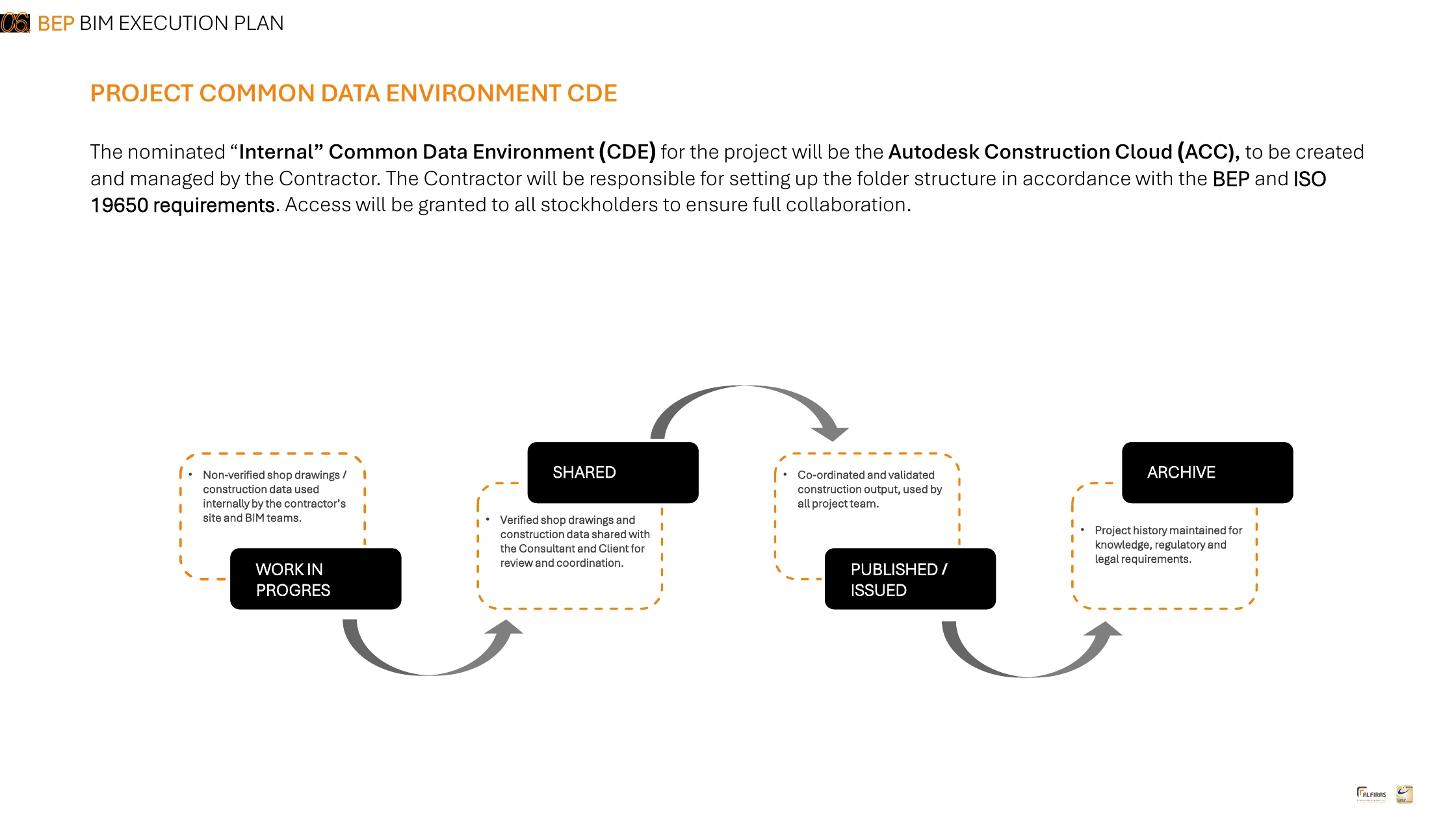
Organized the folder structure and information states on ACC so the team worked in one controlled environment.
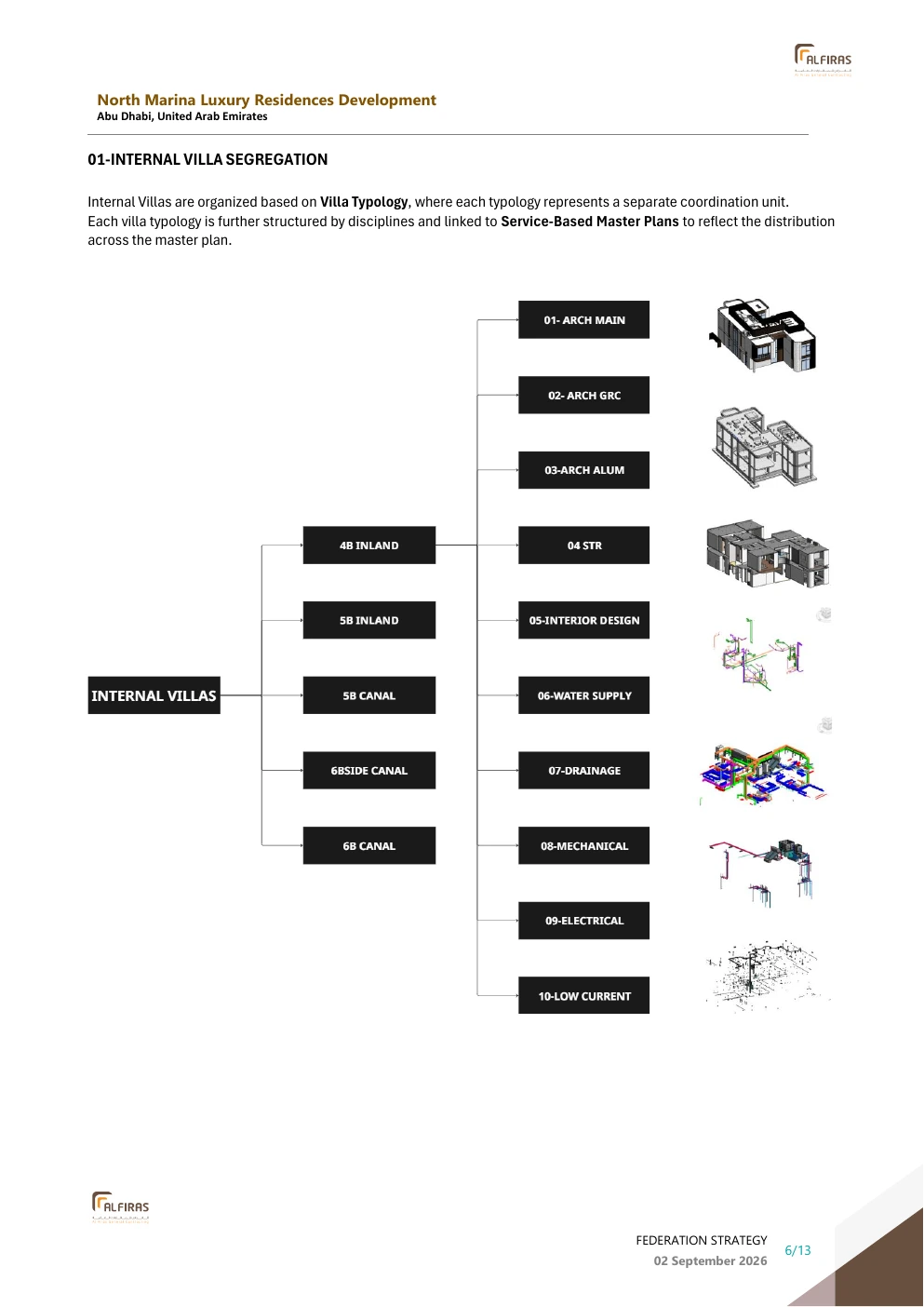
06 · Federation logic
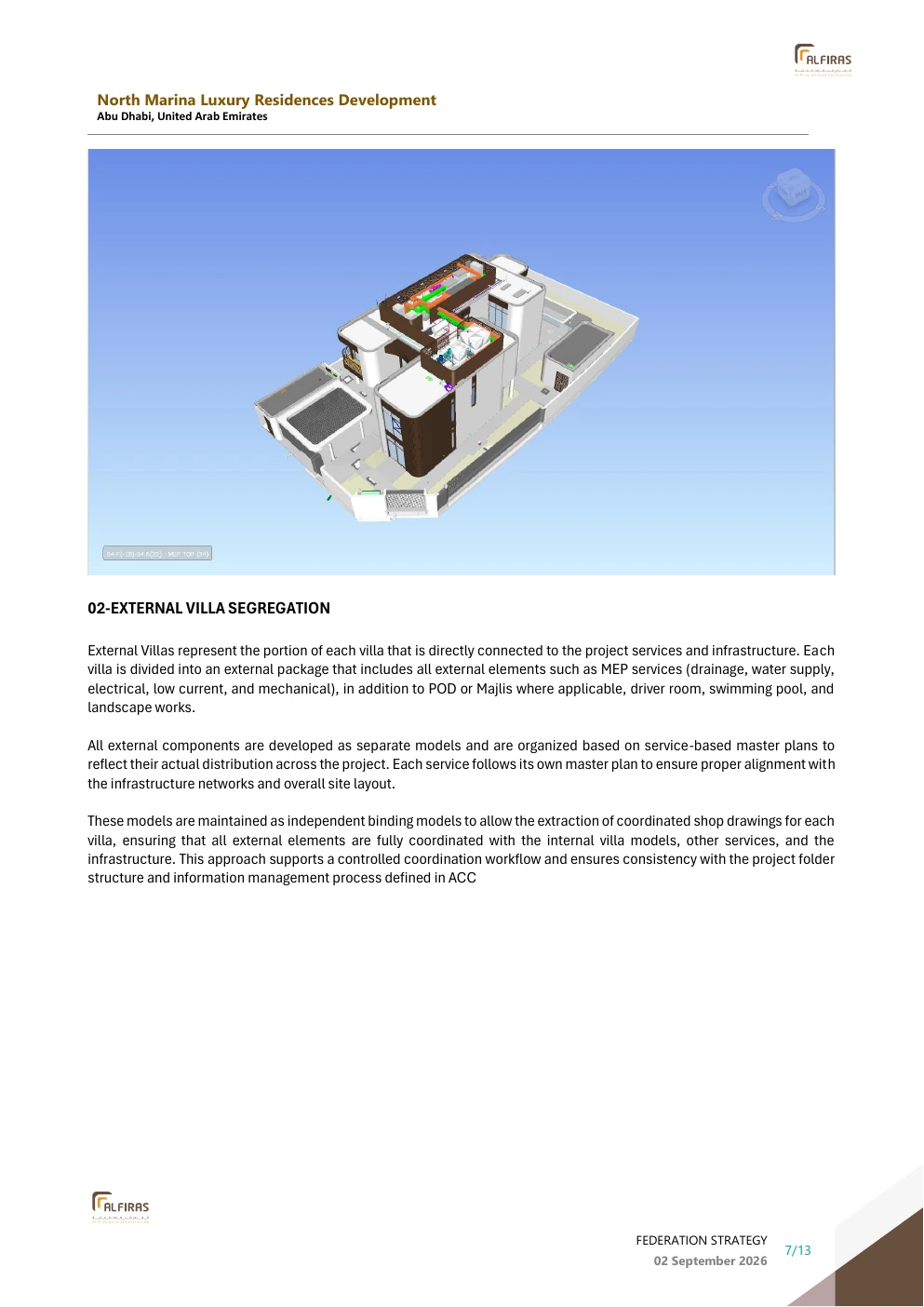
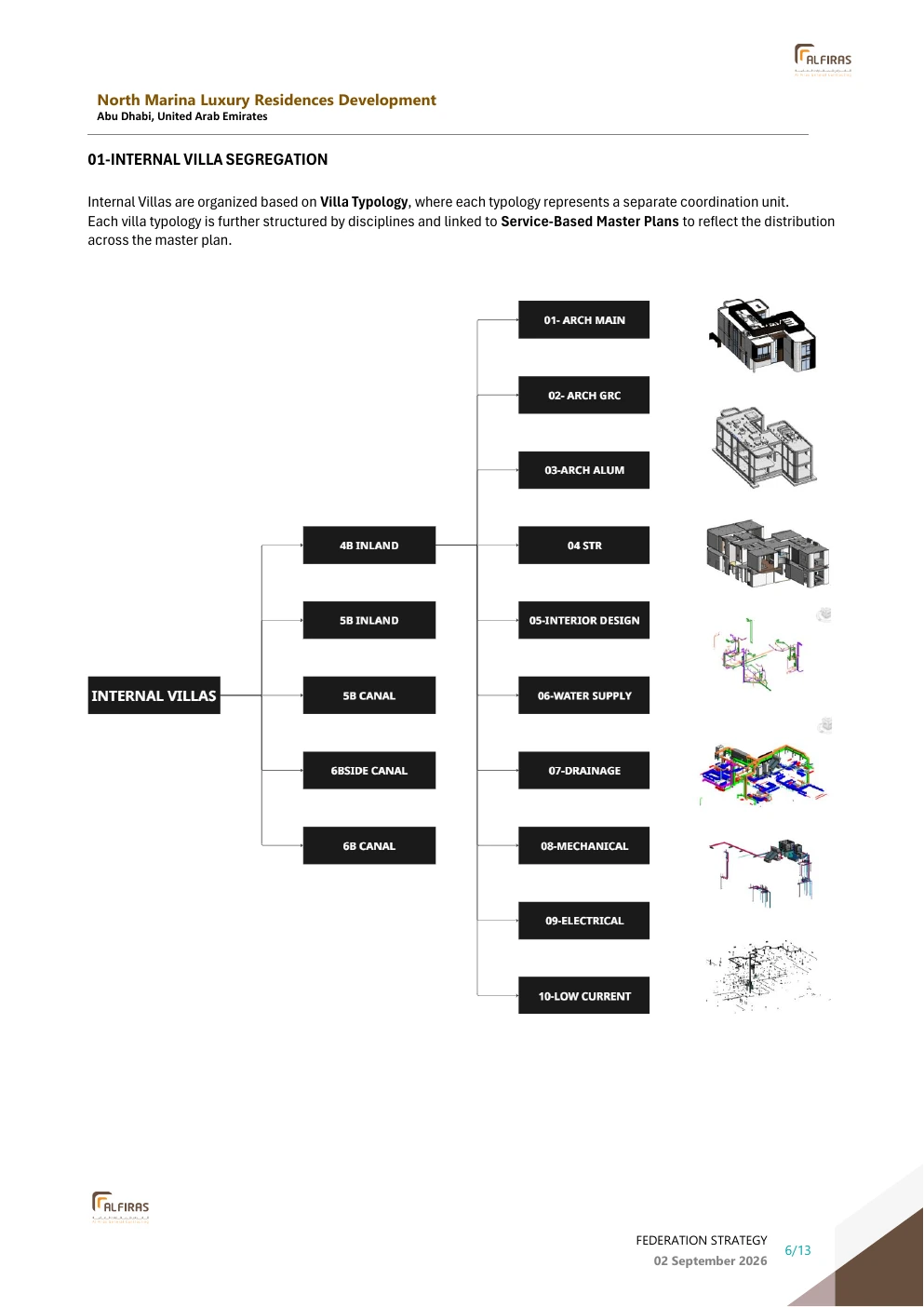
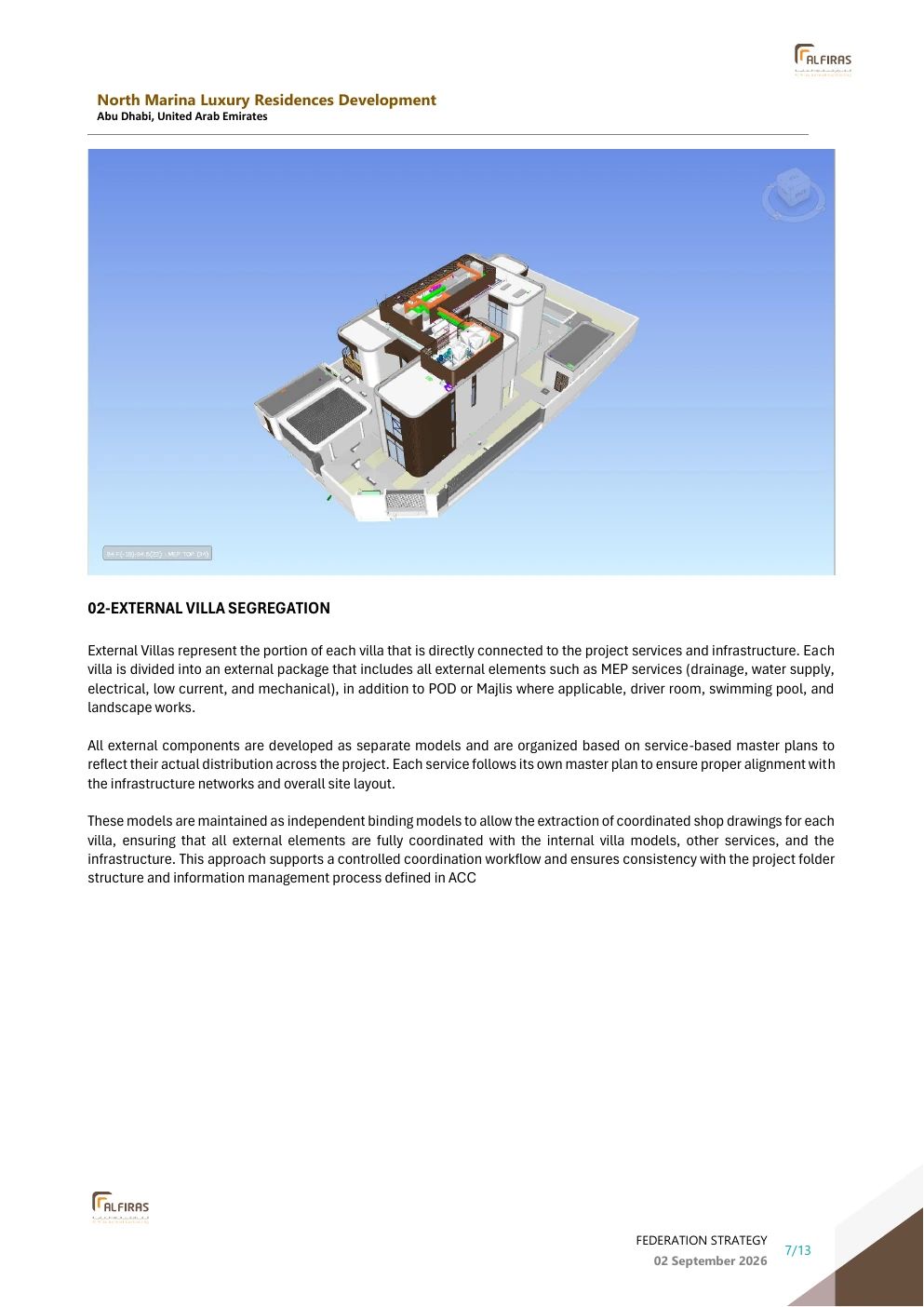
Separated internal typical villas from external villa-specific packages to make the development manageable and coordinated.
07 · Team follow-up
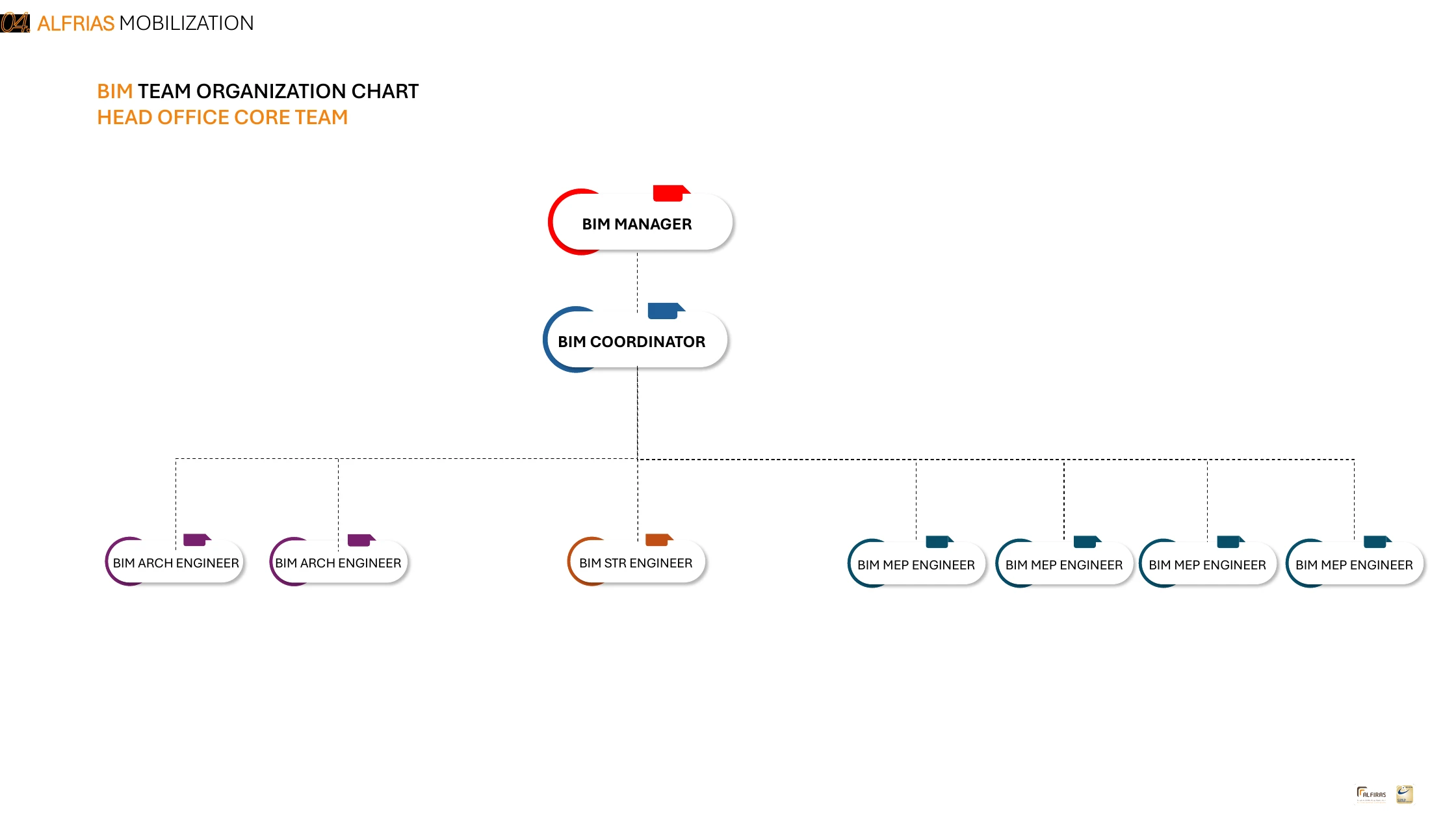
Made sure the disciplines and subcontractors were working through the same sequence, checks and weekly review cycle.
08 · Dashboards and follow-up
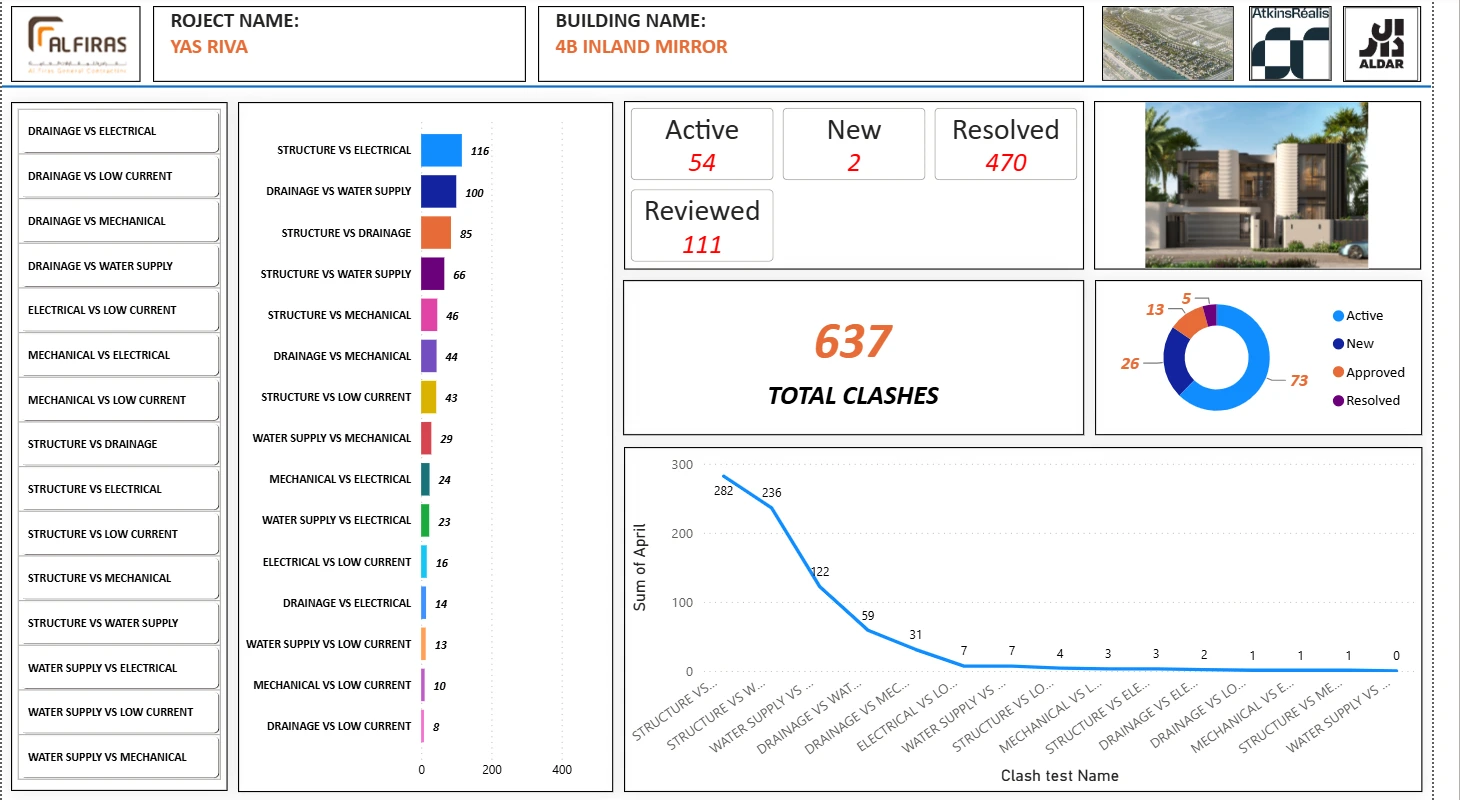
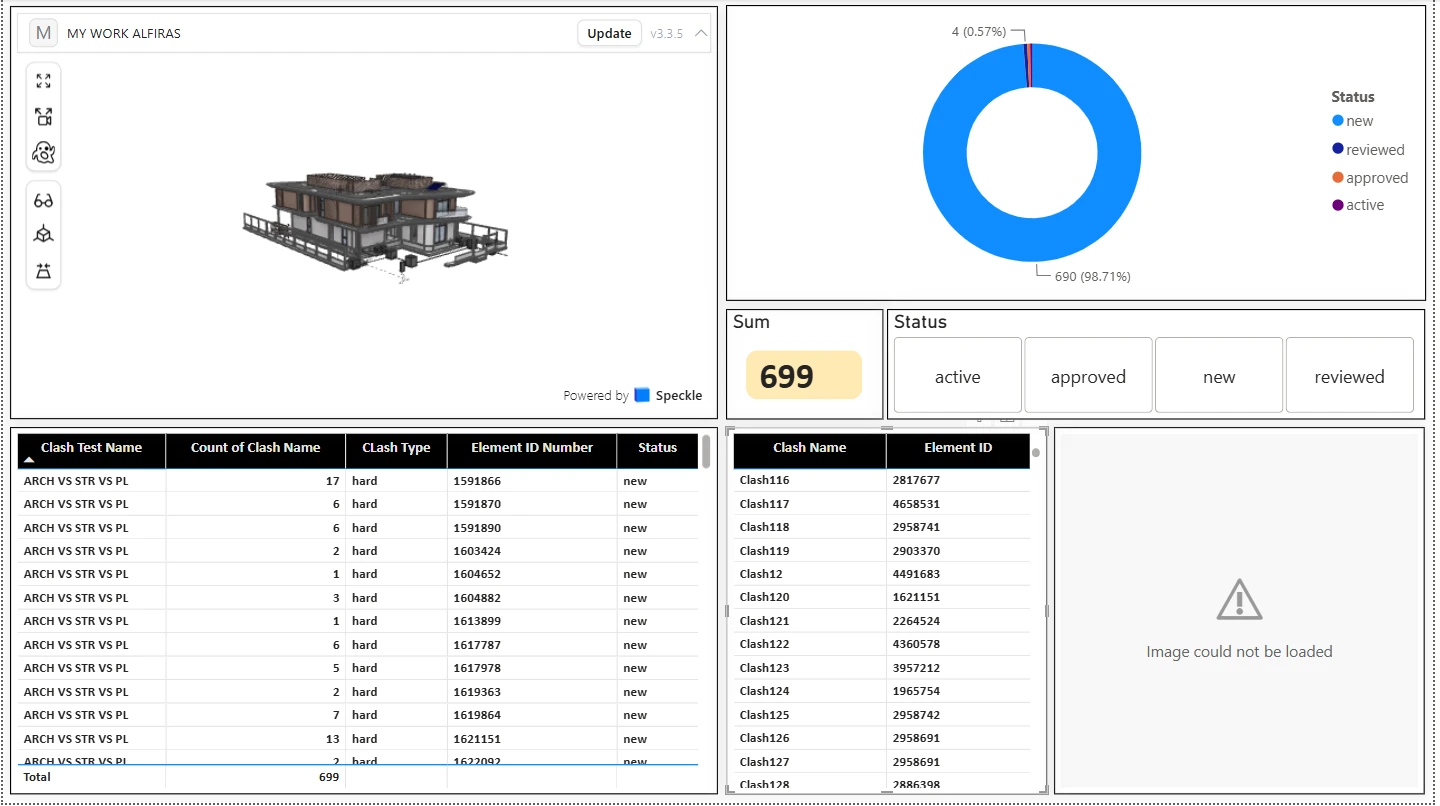
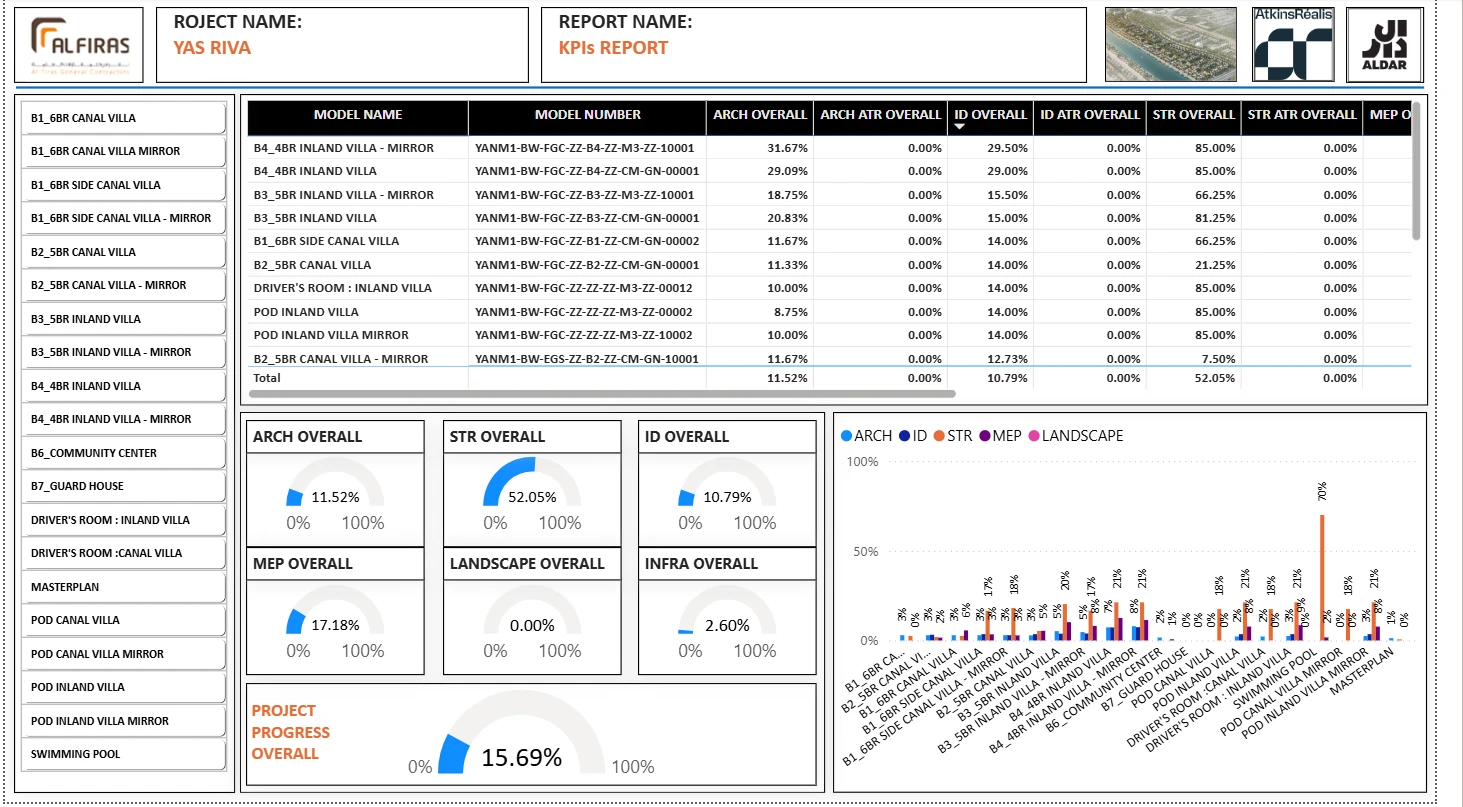
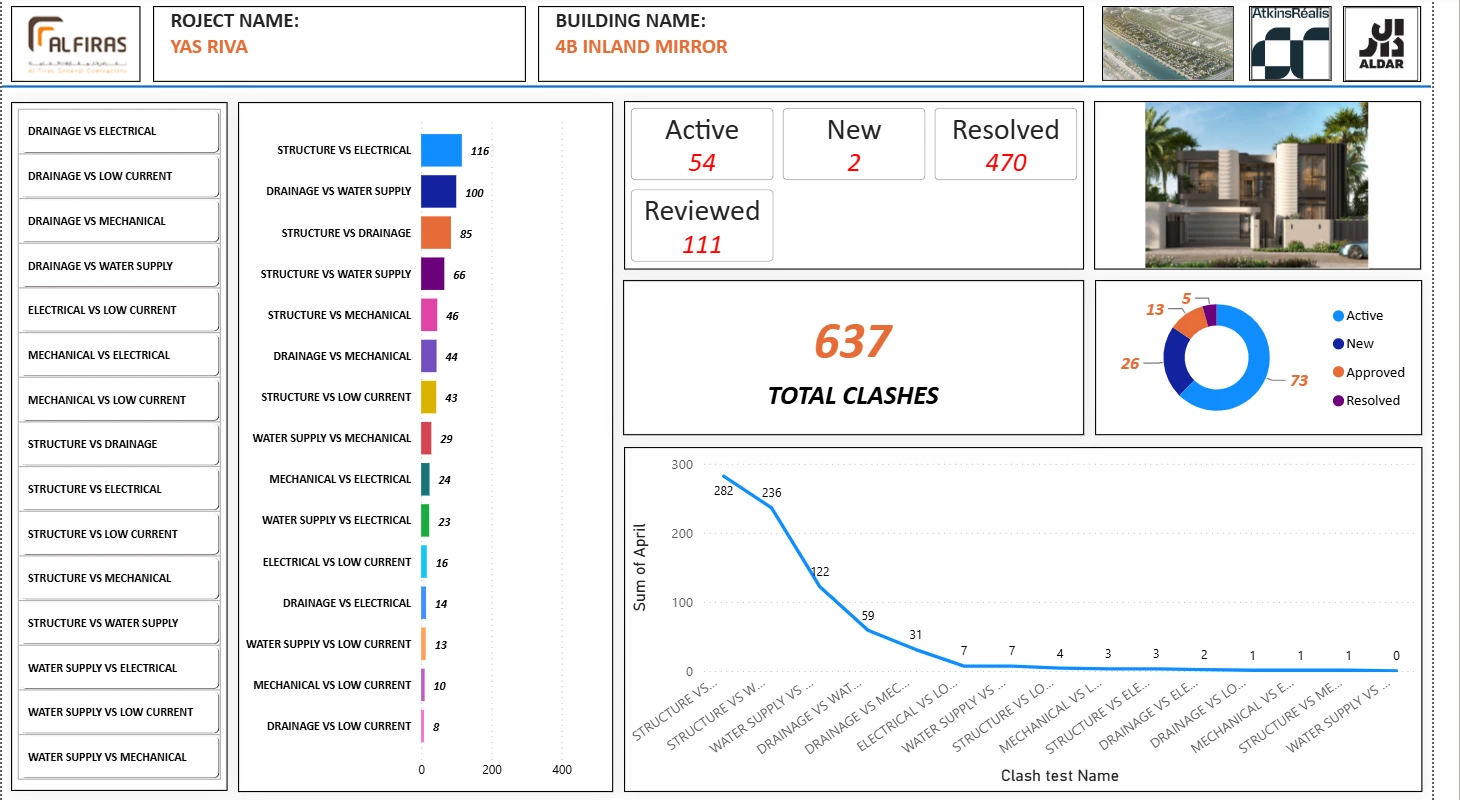
Built KPI, clash and submission dashboards to make weekly status visible and easier to manage.
09 · Delivery at scale
Managed the information flow across 500+ BIM models and 1,960+ drawing deliverables, keeping coordination and drawing production aligned across the project.
Process
The workflow moved in a clear sequence. Each stage created the input for the next one, and the whole process fed the weekly project delivery cycle.
BIM / Technical strategy
The technical side focused on two key systems: the federation strategy and the ACC folder structure. Together, they controlled how information was created, shared and coordinated.
Federation strategy
I structured the project around repeatable internal villa typologies and separate external villa-specific packages. This made it easier to coordinate shared logic while still handling each villa’s unique outside conditions, services and interfaces.
Folder structure
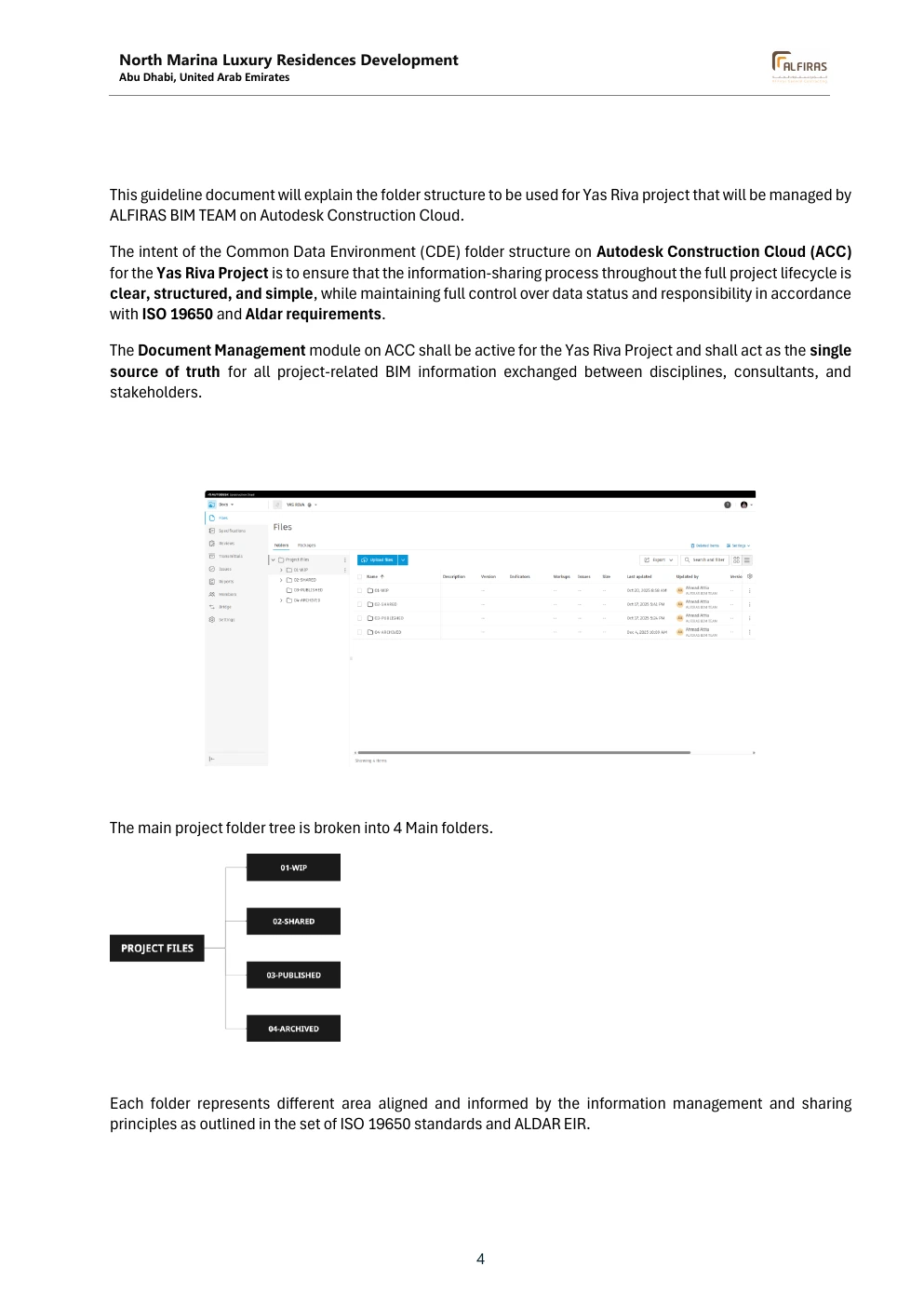
I set up the ACC environment and defined the WIP, Shared, Published and Archived flow. The structure controlled where work lived, when it was ready to share, and how the team moved information through the project.

Coordination
I received the clash matrix, checked that it was correctly organized inside the files, and supported the coordination flow around it. On a weekly basis, I uploaded the NWD federated model, reviewed model quality, checked the coordination setup and followed up issues with the project teams and subcontractors.
Clash matrix setup
Reviewed the clash test structure and confirmed that the coordination matrix matched the intended model interfaces.
Weekly NWD upload
Issued the federated Navisworks model as a weekly coordination reference for review and follow-up.
Quality checks
Checked model readiness, links, naming, coordination status and the quality of the shared content before issue.
Follow-up meetings
Used meetings with disciplines and subcontractors to close gaps quickly and keep the next weekly cycle moving.
Output
The result of the work was a set of structured project outputs supporting delivery, coordination and follow-up.
BIM Kick-Off presentation
Prepared the project kick-off presentation to align scope, responsibilities, workflow, QA/QC and coordination expectations.
BEP and BIM management documents
Defined the delivery roadmap, information exchange logic and the project BIM management sequence.
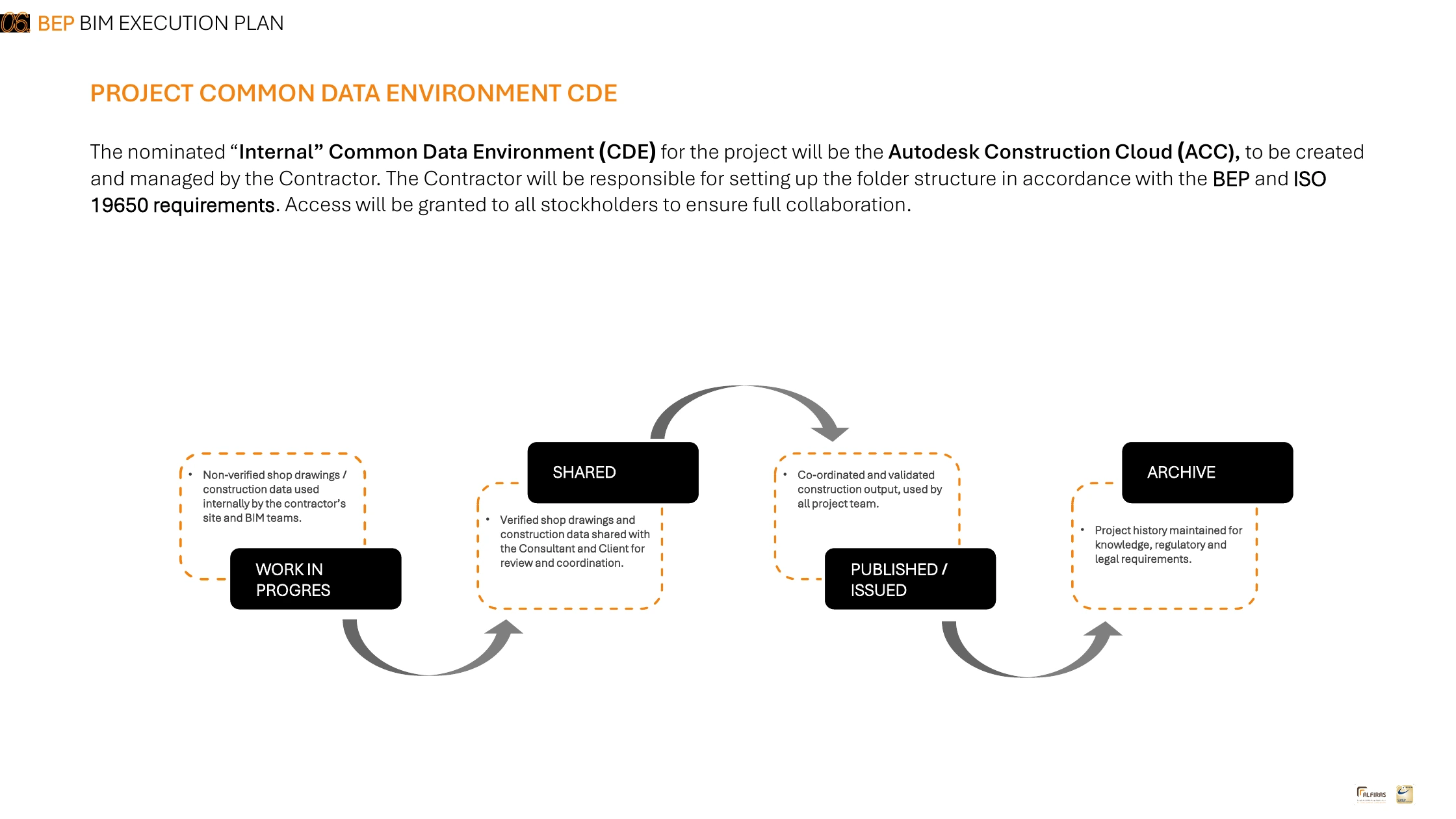
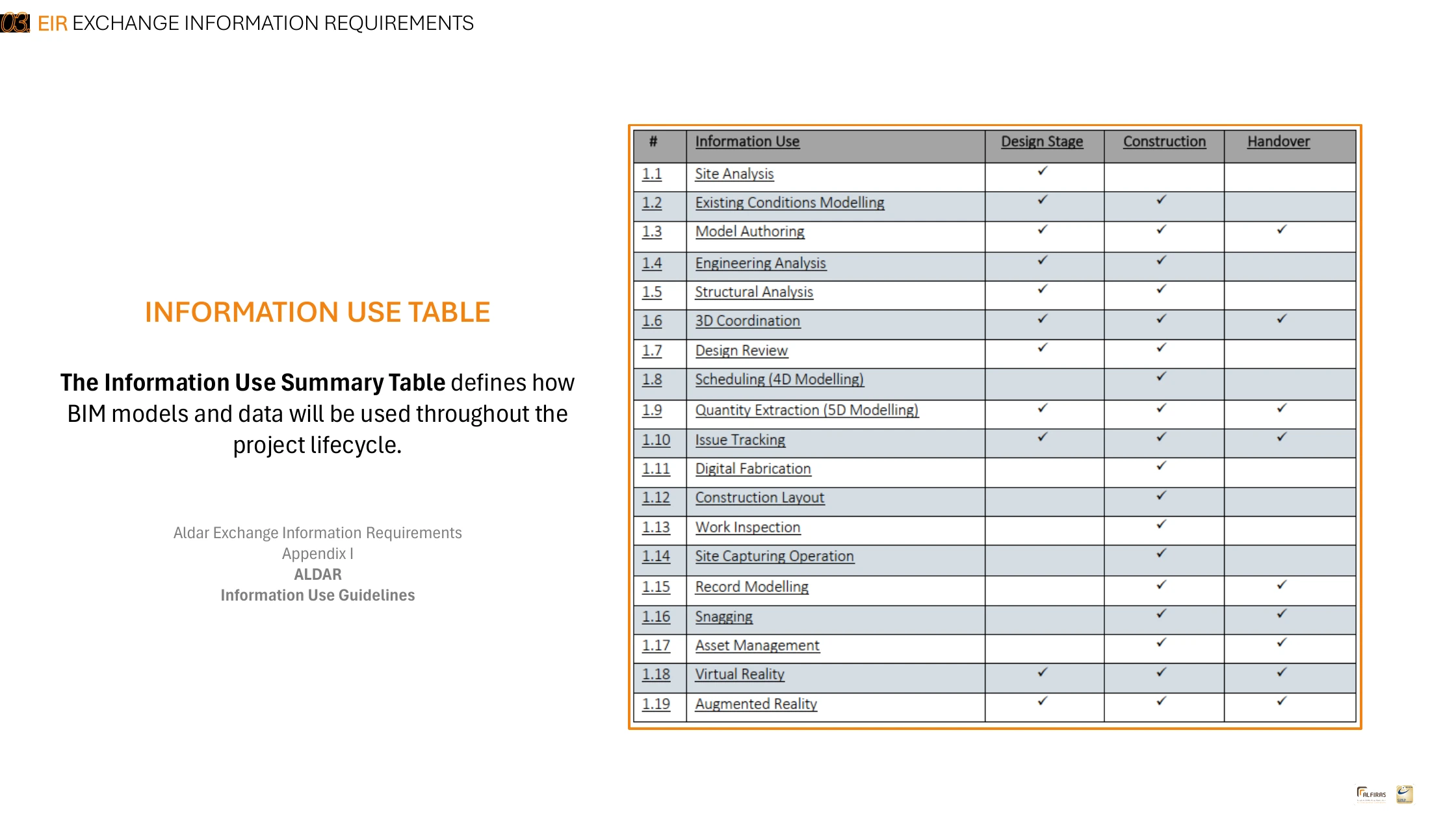
ACC folder structure and shared workflow
Set up the project information environment and the folder workflow used by the team to move information through the project states.
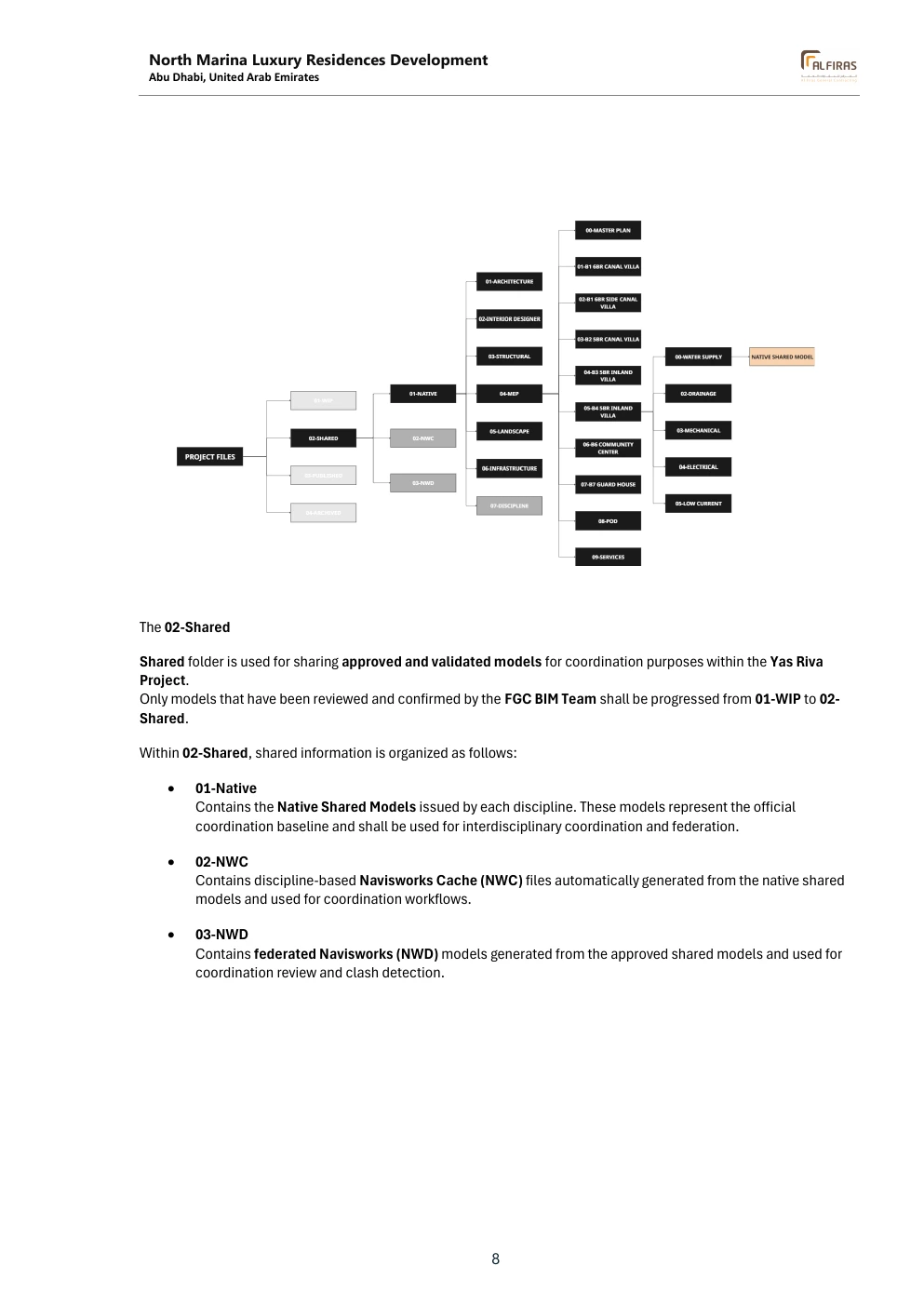
Federation strategy and villa federated models
Created the federation logic and supported the federated model setup used for villa-level coordination.
Dashboards and tracking tools
Built dashboards for KPI progress, clash follow-up and submission tracking to support the weekly management cycle.
Coordinated shop-drawing delivery
The reviewed and federated model workflow provided the coordination base for 1,960+ drawing deliverables, helping shop drawings remain aligned with architectural, structural, MEP and site interfaces before submission.
Result
The project was managed as one connected BIM delivery system — coordinating 500+ BIM models and supporting 1,960+ drawing deliverables instead of treating 151 villas as isolated packages.
Coordinated shop drawings
The coordinated BIM workflow supported the extraction and review of shop drawings from federated models, helping maintain alignment between disciplines and site interfaces before submission.
Fewer coordination gaps
Model federation, clash review and weekly quality checks helped identify conflicts earlier, before they reached the drawing and construction stages.